

Choosing the Right Faith Clothing Brand: A Step-by-Step Guide
Picking out clothes that match your beliefs can feel like a big task, right? There are so many brands out there, and it's tough to know which ones are really walking the walk. This guide is here to help you figure out how to choose a faith clothing brand that feels right for you. We'll break down what to look for, from the brand's story to how they make their clothes, so you can shop with confidence and purpose.
Key Takeaways
- Understand what a brand stands for by looking at its mission and who it's trying to reach.
- See if the brand's designs and how they make their clothes line up with good principles and ethical practices.
- Build a relationship with the brand by following their story and how they connect with people.
- Approach starting or choosing a brand with trust, seeking advice, and staying strong when things get tough.
- Make sure the brand has a clear identity and is honest about what it does to earn your trust as a shopper.
Understanding Your Brand's Core Values
Before you even think about stitching a single seam or picking a color palette, you need to get real about what your brand stands for. This isn't just about making clothes; it's about building something meaningful that connects with people on a deeper level. Think of it like laying the foundation for a house – if it's shaky, the whole thing could fall apart.
Defining Your Mission and Vision
What's the big picture here? Your mission is your 'why' – the purpose that drives you. Is it to spread a message of hope? To encourage kindness? To offer stylish options for people who share your faith? Your vision is where you see your brand going in the future. It's the dream you're working towards. Writing these down helps keep you focused, especially when things get tough.
- Mission: What problem are you solving or what positive impact do you want to make?
- Vision: What does success look like for your brand in 5, 10, or even 20 years?
- Values: What principles will guide every decision you make?
Your mission and vision aren't just corporate jargon; they're the heartbeat of your brand. They guide your actions and attract people who believe in what you're doing.
Identifying Your Target Audience
Who are you actually trying to reach with your clothing? You can't be everything to everyone. Think about the people who would genuinely connect with your brand's message and style. What are their interests? What are their struggles? What kind of clothing do they look for? Knowing this helps you create products and marketing that truly speak to them.
- Demographics: Age, location, income, etc.
- Psychographics: Beliefs, values, lifestyle, interests.
- Pain Points: What challenges do they face that your brand can address?
Authenticity in Your Brand Story
People connect with real stories. What's your personal journey that led you to start this faith-based brand? Sharing your experiences, your struggles, and your triumphs makes your brand relatable. It shows the human side behind the business. This authenticity builds trust and creates a stronger bond with your customers than any slick marketing campaign ever could.
- Share your 'why': Why did you start this brand?
- Be transparent: Talk about your journey, including challenges.
- Show your personality: Let people get to know the real you.
Faith-Based Principles in Fashion
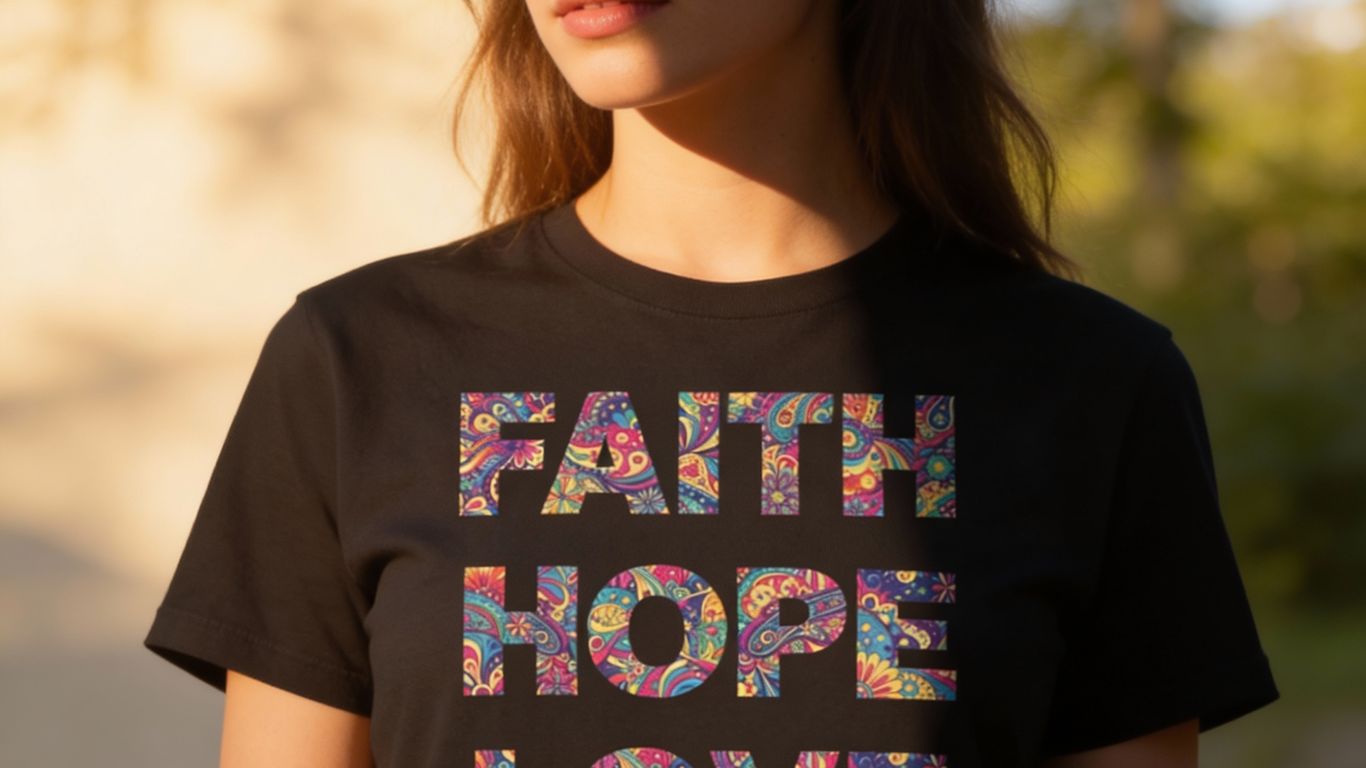
When you're building a clothing brand with a foundation in faith, it's about more than just the clothes themselves. It's about weaving your beliefs into every stitch and every decision. This approach can really set your brand apart and connect with people on a deeper level.
Integrating Spirituality into Design
Think about how your faith influences your perspective. This can show up in subtle ways in your designs. Maybe it's through specific symbols, colors that hold meaning, or even the overall feeling a garment evokes. It's about creating pieces that feel good to wear, not just because they look nice, but because they carry a positive message or a sense of peace.
For example, a brand might use natural fabrics and earthy tones to reflect a connection to creation. Another might incorporate simple, clean lines that suggest order and thoughtfulness. The goal is to have the design itself speak to the values you hold dear.
Ethical Sourcing and Production
Faith often calls us to treat others with kindness and fairness. This absolutely applies to how your clothes are made. It means looking into where your materials come from and who is making your clothes. Are the workers paid fairly? Are they working in safe conditions? These are important questions.
Here are some areas to consider:
- Fair Wages: Ensuring everyone involved in making your clothes earns enough to live comfortably.
- Safe Workplaces: Making sure factories and workshops are safe and healthy environments.
- Sustainable Materials: Choosing fabrics that are better for the planet, like organic cotton or recycled materials.
- Reduced Waste: Finding ways to minimize fabric scraps and packaging.
It can be tough to get all the details, but making an effort shows you care about people and the planet, which is a core part of many faith traditions.
Creating Meaningful Connections
Your brand can be a way to build a community. When people buy from you, they're not just buying a shirt; they're connecting with your story and your values. Sharing your journey, the ups and downs of running a faith-based business, can make your brand relatable.
It's about being real. When you share your struggles and your triumphs, people can see themselves in your story. This builds trust and loyalty. Think about hosting events, sharing customer stories, or simply engaging in conversations online. These actions help turn customers into a community that believes in what you're doing.
Building a brand with faith principles means being mindful of how your business impacts the world, from the materials you use to the people who make your products. It's about integrity and showing love through your work.
Building a Community Around Your Brand
Sharing Your Personal Journey
When you start a faith-based clothing brand, you're not just selling shirts or dresses. You're sharing a piece of yourself and your beliefs. People connect with real stories. Talking about why you started the brand, what challenges you've faced, and how your faith guides you can make a big difference.
Think about sharing your own experiences. Maybe you felt a calling to start the brand, or perhaps you overcame a difficult time with faith. These personal stories help people see the human side of your business. It makes your brand more relatable and builds trust. It shows that you're not just a company, but a person with a mission.
Engaging with Your Audience
Once you start sharing your story, it's important to listen to what your audience has to say. Community isn't a one-way street. It's about having conversations.
Ask questions on social media. Respond to comments and messages. Show that you care about their thoughts and feedback. You can even ask them what kind of designs they'd like to see or what messages are important to them. This makes them feel like they're part of the brand's journey.
Here are a few ways to get people talking:
- Ask open-ended questions: Instead of "Do you like this?", try "What does this message mean to you?"
- Run polls: Get quick feedback on ideas or preferences.
- Host Q&A sessions: Let people ask you anything about your brand or your faith journey.
- Share user-generated content: Feature photos or testimonials from happy customers (with their permission, of course!).
Building a community means creating a space where people feel seen, heard, and valued. It's about connection, not just transactions.
Leveraging Social Media for Connection
Social media is a powerful tool for building your brand's community. It's where you can share your story, connect with people, and create a buzz.
Use platforms like Instagram, Facebook, or TikTok to post regularly. Share behind-the-scenes looks at your design process, introduce your team (even if it's just you!), and highlight customer stories. Use relevant hashtags to reach more people who share your interests.
Don't just post promotional content. Share inspirational quotes, thoughts on faith, or even just a glimpse into your day. The goal is to be authentic and build relationships. When people feel connected to you and your brand's values, they're more likely to become loyal customers and advocates.
Navigating the Business Landscape
Starting a faith-based clothing brand can feel like a big leap, but it doesn't have to be scary. Think of it as taking a step of faith, not a leap into the unknown. Many successful brands began with just an idea and a strong belief in their mission. It's about trusting the process and knowing that your vision has purpose.
Starting with Faith, Not Fear
It's easy to get caught up in what could go wrong, but focusing on your faith can shift your perspective. Instead of worrying about potential problems, lean into the belief that your business is meant to be. This mindset helps you move forward with confidence, even when things aren't perfectly clear. Remember, every step you take with faith is a step towards your goal. Many entrepreneurs find that their faith is their strongest asset when facing uncertainty. It's about believing in the plan, even when you can't see the whole picture.
Seeking Guidance and Wisdom
No one has all the answers, and that's okay. Building a business involves a lot of learning. Don't hesitate to seek advice from people who have experience. This could be mentors, other business owners, or even industry professionals. Sometimes, just talking through your ideas can bring clarity. You might also find that spiritual guidance plays a role in your decision-making. Listening to your intuition and seeking wisdom can help you make better choices for your brand. Connecting with others in the faith-based apparel space can provide valuable insights and support.
Overcoming Challenges with Resilience
There will be tough days. Challenges are a normal part of any business journey. What matters is how you respond to them. Instead of letting setbacks discourage you, view them as opportunities to learn and grow. Resilience is key. It's about bouncing back, adapting to changes, and staying committed to your vision. Think of these moments as tests of your resolve. Each challenge you overcome makes your brand stronger and your journey more meaningful. Building a business is a marathon, not a sprint, and your ability to keep going is what truly counts.
Here are a few habits that can help you stay resilient:
- Daily Reflection: Take a few minutes each day to reflect on your progress and challenges.
- Seek Support: Talk to friends, family, or a business coach when you feel overwhelmed.
- Celebrate Small Wins: Acknowledge and appreciate every milestone, no matter how small.
Starting a business requires a blend of practical steps and unwavering belief. Trusting your vision and staying adaptable will guide you through the inevitable ups and downs.
Developing Your Unique Brand Identity
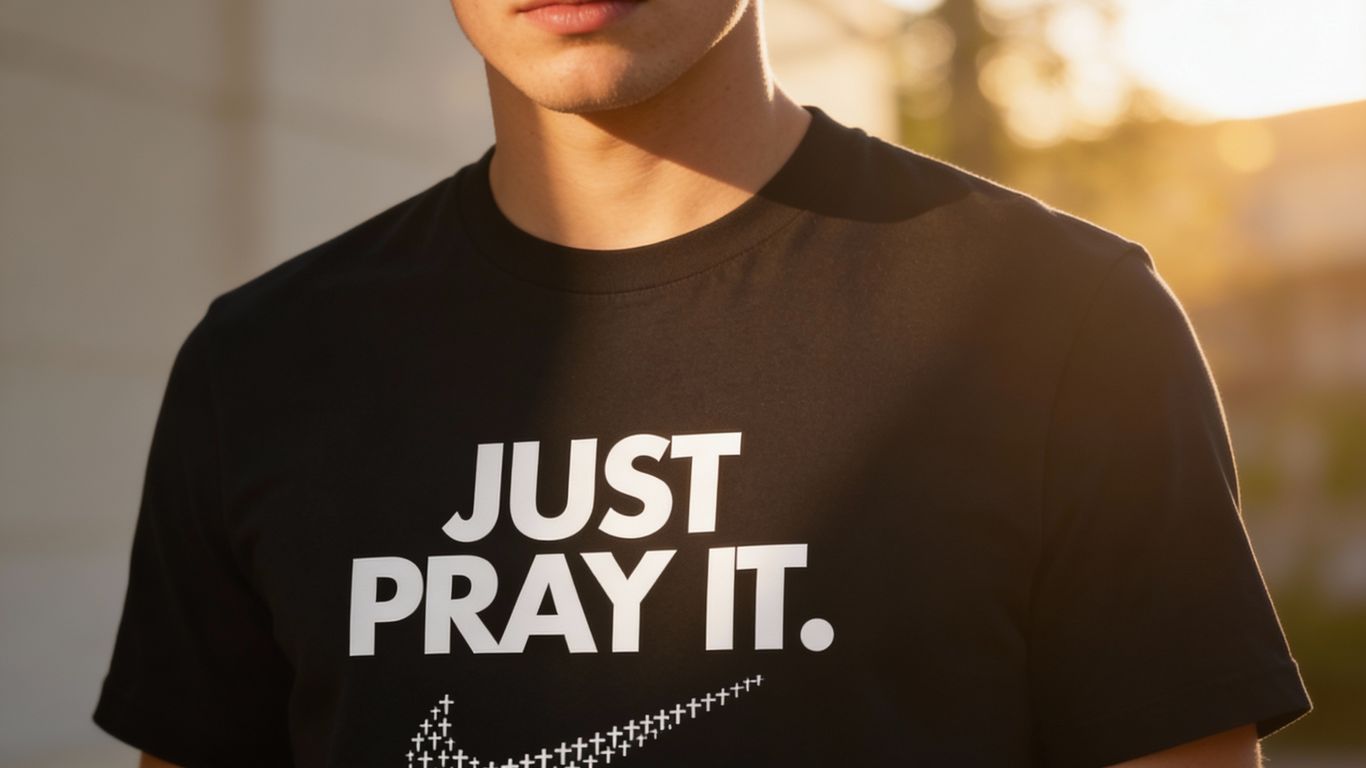
Crafting a Compelling Brand Narrative
Your brand's story is more than just a "about us" page; it's the heart and soul of your business. Think about what sparked the idea for your faith-based clothing line. Was it a personal experience, a calling, or a desire to share a specific message? Weave these elements into a narrative that feels authentic and relatable. People connect with stories, especially when they see themselves reflected in them. Share the 'why' behind your brand, not just the 'what'. This narrative should be consistent across all your platforms, from your website to your social media posts.
Designing Visually Appealing Products
While the message is important, the actual clothing needs to catch the eye. This means paying attention to design, quality, and how the pieces make people feel when they wear them. Consider the aesthetic that aligns with your brand's values. Are you going for a minimalist look, something bold and expressive, or perhaps a blend of modern and traditional? Think about the details: the fabric, the fit, the colors, and any unique graphics or messages. Your designs should not only look good but also feel good and represent the faith you're sharing.
Establishing Trust and Credibility
Building trust is key, especially in the faith-based market. Customers want to know that your brand is genuine and that you stand by your values. This means being transparent about your sourcing, production processes, and business practices. If you claim to be ethical, show it. If you talk about community, be involved in it. Consistency between your words and actions builds a strong foundation of credibility. Think about how you can demonstrate your commitment, whether through certifications, partnerships, or simply by being open and honest with your audience. This builds loyalty that goes beyond just a transaction.
Making Informed Consumer Choices
So, you've found a faith-based clothing brand that speaks to you. That's great! But how do you know if they're truly living up to their values? It's not always as simple as it looks. We need to be smart shoppers, looking beyond the pretty pictures and inspiring stories. Let's break down how to make sure your purchases actually make a difference.
Researching Ethical Fashion Brands
This is where you become a bit of a detective. Don't just take a brand's word for it. Look for evidence of their claims. Many organizations now publish reports that grade brands on their ethical practices. These reports often look at things like how workers are treated, fair wages, and the environmental impact of production. It's like checking a report card for the brand.
Here are some key areas to look into:
- Worker Welfare: Are they paying fair wages? Are working conditions safe? Do they have policies against child labor or forced labor?
- Environmental Impact: What materials are they using? Are they trying to reduce waste and pollution? How are they managing water and chemicals?
- Transparency: Is the brand open about its supply chain? Can you trace where and how your clothes are made?
Supporting Brands That Align With Your Values
Once you've done your research, it's time to put your money where your values are. If a brand consistently shows good practices and aligns with the principles you care about – whether that's fair treatment of workers, environmental care, or a specific spiritual message – then they're a good choice. It feels good to buy from companies that are trying to do the right thing.
Think about it this way:
- Mission Match: Does the brand's mission statement and actions reflect your own beliefs and values?
- Impact Focus: Does the brand actively work to create positive change in the areas you care about?
- Long-Term View: Are they committed to ongoing improvement, or is it just a marketing tactic?
Understanding the Impact of Your Purchases
Every dollar you spend is a vote for the kind of world you want to live in. When you choose a faith-based brand that's committed to ethical practices, you're not just buying clothes. You're supporting a system that values people and the planet. You're sending a message to the industry that consumers care about more than just the latest trends.
Your purchasing power is significant. By making conscious choices, you contribute to a more just and sustainable fashion industry, encouraging brands to prioritize ethical production and responsible sourcing.
It might take a little extra effort to find these brands and understand their practices, but the reward is knowing that your clothing choices are making a positive difference.
Wrapping It All Up
So, you've made it through our guide on picking the right faith-based clothing brand. It's a journey, for sure, but one that's totally worth it. Remember, it's not just about finding clothes that look good; it's about supporting brands that align with your values and maybe even inspire you. Keep asking questions, do a little digging, and trust your gut. You've got this! Happy shopping, and may your wardrobe reflect your heart.
Frequently Asked Questions
What does 'faith-based' mean for a clothing brand?
When a clothing brand is faith-based, it means its core beliefs and actions are guided by spiritual principles. This can show up in how they treat people, the messages they share, and the way they make their clothes. It's about more than just selling clothes; it's about living out certain values.
How can I tell if a brand is truly faith-based?
Look for brands that are open about their mission and values. Do they talk about how they treat workers fairly? Do their designs or messages reflect their beliefs in a genuine way? Checking their 'About Us' page and reading customer reviews can give you a good idea of their honesty.
Is it important for faith-based brands to be ethical?
Yes, absolutely! For many faith-based brands, being ethical is a huge part of their identity. This means making sure their clothes are made in good conditions, using materials that don't harm the planet, and treating everyone involved in making the clothes with respect. It's about doing good in all parts of the business.
How do faith-based brands connect with their customers?
These brands often build a community by sharing their stories and beliefs. They might use social media to talk about their journey, share inspirational messages, or create events where people can connect. It's about building relationships with people who share similar values.
What if a brand's style doesn't exactly match my personal style?
It's okay! While it's great when a brand's style matches yours, the most important thing is that their values align with yours. You can still support a brand you believe in even if you don't wear every single item. Sometimes, supporting their mission is the main goal.
Where can I find reliable information about ethical fashion brands?
There are guides and websites dedicated to helping shoppers find ethical brands. Organizations often publish lists or reports that rate brands based on their practices. Doing a quick search for 'ethical fashion guides' can point you to helpful resources.


