

Screen Printing Tips: How to Identify Quality Christian Apparel
When you're looking for Christian apparel, it's not just about the message on the shirt; it's also about how well that message is put on there. You want something that looks good, feels good, and lasts. This is especially true when you're dealing with screen printing, which is a popular method for putting designs on clothes. So, how do you spot quality screen printing on Christian apparel? It takes a little looking, but there are definitely signs to watch out for.
Key Takeaways
- Check the print's feel and durability. A good screen print shouldn't feel stiff or crack easily after a few washes. It should have a nice 'hand' – meaning it feels like part of the fabric.
- Verify that the scripture or theological message is accurate. Mistakes in Bible verses or symbols can be disrespectful. Look for vendors who have a review process.
- Examine the fabric itself. Higher weight fabrics, like those made from ringspun cotton, tend to be more durable and feel better, meaning your message lasts longer.
- Choose providers who are open about their mission and values. Reputable Christian apparel companies often share details about their sourcing and community involvement.
- Understand that not all print methods are equal. While screen printing is often high quality, compare it to other methods like DTF and DTG to know what to expect in terms of longevity and appearance.
Assessing Print Durability and Feel
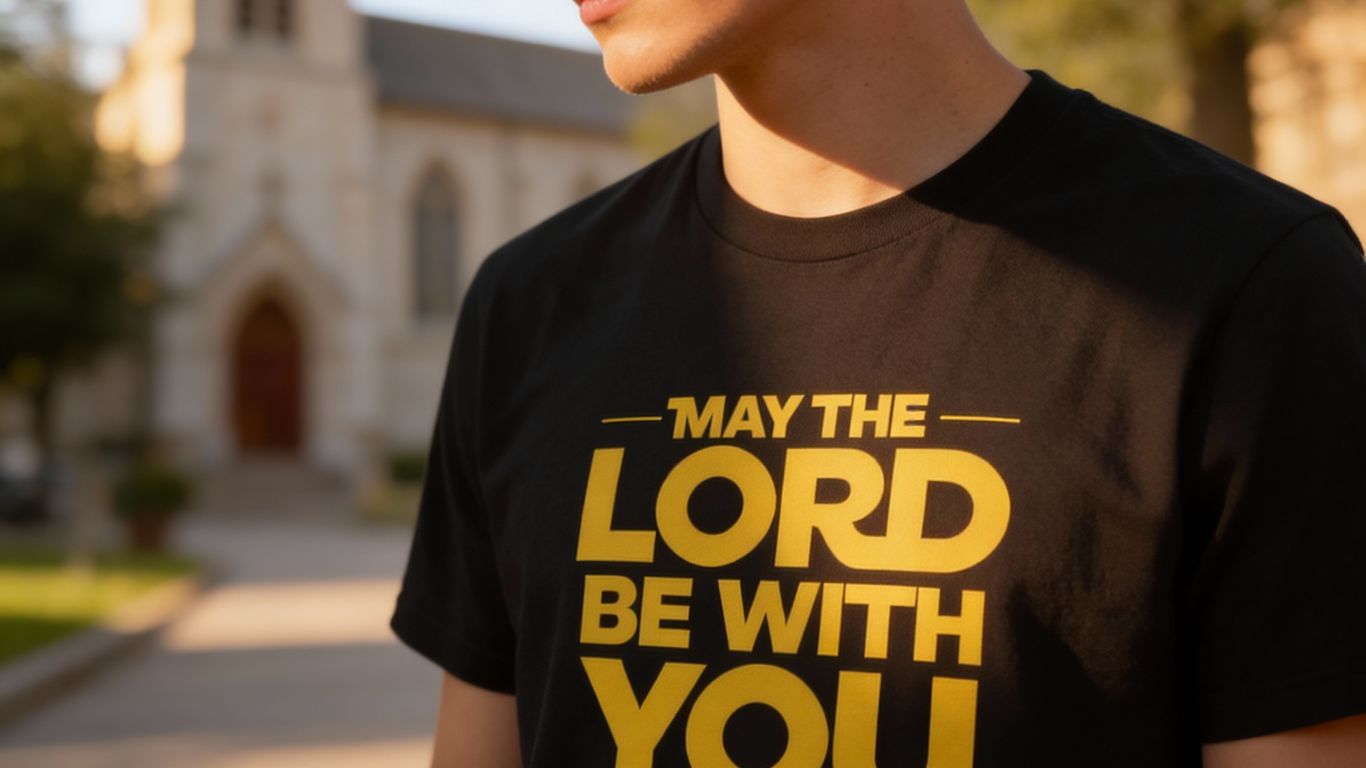
When you're looking for Christian apparel that carries a message, the print itself is a big part of the story. It's not just about how it looks when you first get it, but how it holds up over time. A good print should feel like part of the fabric, not something stuck on top.
The Wash Test: A Crucial Step
This is where the rubber meets the road, or rather, where the print meets the washing machine. A print that cracks, fades, or peels after just a few washes isn't going to last. We need to see how it handles real life. You can ask vendors for wash test results, or if possible, get a sample to test yourself. It's worth the effort to see how the print holds up after multiple cycles.
- Check for Cracking: Does the design start to break apart, especially around seams or areas that bend?
- Look for Fading: Is the color still vibrant, or does it look washed out?
- Feel for Stiffness: Does the print become hard or plasticky after washing?
A print that feels soft and flexible right out of the box might turn stiff and uncomfortable after a few washes. Always test, if you can.
Understanding Print Thickness and Hand Feel
The way a print feels against your skin, often called the "hand feel," tells you a lot about its quality. High-quality prints are usually thin and breathable. You might barely notice they're there. Cheaper prints, on the other hand, can feel thick, heavy, and sometimes even sticky. This can make the shirt uncomfortable to wear, especially in warmer weather. For apparel meant to be worn regularly, a soft, flexible print is key.
Evaluating Longevity Beyond the First Impression
Don't just judge the print by its initial appearance. Think about how it will hold up over months, or even years, of wear and washing. Some prints might look great initially but degrade quickly. Others, even if they don't look as flashy at first, might have better longevity. Look for signs of quality like good adhesion to the fabric and consistent color. This is where understanding the materials used can really help.
Here’s a quick way to compare print qualities:
| Feature | Premium Print | Standard Print |
|---|---|---|
| Feel | Soft, flexible, breathable | Stiff, plasticky, heavy |
| Durability | Resists cracking and fading | Prone to cracking and fading |
| Wash Test | Holds up well after 10+ washes | Shows wear after 3-5 washes |
| Adhesion | Bonds well with fabric | May peel at edges over time |
Verifying Theological Accuracy and Intent
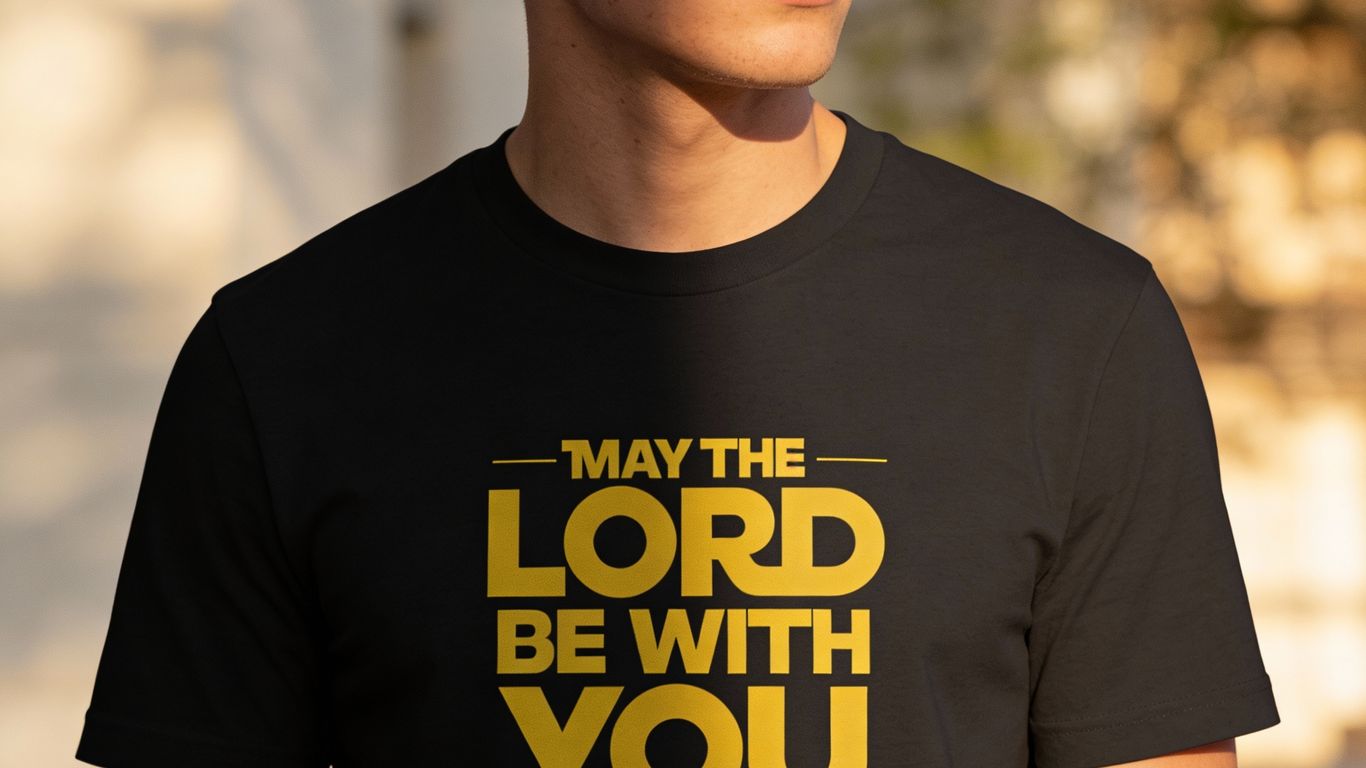
When you're looking for Christian apparel, it's not just about the look; it's about the message. We want to make sure the words and symbols on our shirts and hoodies are true to the faith. This means checking the details, from the Bible verses used to the overall intent behind the design.
Scripture Verification Processes
It might seem straightforward, but getting scripture right on apparel is important. A misplaced comma or a slightly altered phrase can change the meaning, or worse, introduce error. Reputable providers take this seriously. They often have a process where trained individuals, like pastors or theologians, review the text before it's printed. They cross-check verse references and wording against trusted translations like the ESV or NIV. This careful review helps avoid unintentional mistakes and ensures the message is accurate.
- Cross-referencing: Always check that the verse number and text match your preferred Bible translation. Tools like Bible Gateway or YouVersion are helpful for this.
- Full verses: Confirm if the entire scripture is used, or if it's shortened. While shortening might look better sometimes, it can sometimes miss the full context.
- Translation notes: Some providers might even include footnotes if there are translation nuances, which shows a commitment to accuracy.
Beyond Literal Text: Symbolism and Context
Christian apparel often uses symbols, not just words. These symbols can carry deep meaning, but they need to be used correctly. Sometimes, symbols can be misinterpreted or have unintended associations. For example, a design that looks like a cross might, in a different context, resemble something else entirely. It's good to look for designs that are thoughtful about the symbolism they employ, drawing from established Christian tradition or reinterpreting it in a way that's clearly rooted in faith. This is where brands like Calvinist Apparel often shine, by drawing inspiration from historic confessions.
It's about more than just slapping a cross on a shirt. It's about understanding the history and meaning behind the symbols and ensuring they point back to Christ in a clear and respectful way.
The Importance of Faith-Aligned Vendors
Choosing who prints your apparel matters. Not all printing companies understand the significance of faith-based messages. It's wise to partner with vendors who share your values or at least respect the integrity of the message. Look for companies that are transparent about their mission and how they operate. Do they have a clear statement of faith? Do they seem to care about the accuracy of the messages they print? Asking questions about their design review process, their materials, and even their community involvement can tell you a lot. A vendor that is committed to ethical practices and theological integrity will likely produce apparel that you can be proud to wear.
Here’s a quick checklist to consider when vetting a vendor:
- Mission Clarity: Does their website clearly state their faith-based mission or values?
- Design Oversight: Do they have a process for reviewing scripture and symbolism for accuracy?
- Material Transparency: Are they open about the inks and materials they use, especially regarding safety and ethical sourcing?
- Customer Interaction: Do their communications reflect a sensitivity to faith-based messaging?
Examining Fabric Quality and Construction
When you're looking for Christian apparel that lasts, the fabric itself is a big deal. It's not just about how it looks right out of the package, but how it holds up over time and through washes. Think of it like building a house – you need a solid foundation, and that starts with good materials.
Weight Matters: Identifying Premium Blanks
Fabric weight is a good indicator of quality. Heavier fabrics generally mean more durability and a better feel. You'll often see weights measured in grams per square meter (GSM). For t-shirts, something around 180 GSM or higher is usually a good sign of a premium blank. For hoodies, you're looking at 200 GSM or more. These heavier materials tend to drape better and feel more substantial, not flimsy.
The Benefits of Ringspun Cotton
Beyond just weight, the type of cotton used makes a difference. Ringspun cotton is made by twisting and thinning the strands of cotton before they're spun into yarn. This process makes the yarn stronger and softer. Apparel made from ringspun cotton feels smoother against your skin and holds up better to washing and wearing compared to standard cotton. It’s a small detail that adds a lot to the overall comfort and longevity of the garment.
Durability for Lasting Messages
Ultimately, you want your Christian apparel to be a durable expression of faith. This means looking at how well the fabric is constructed and how it interacts with the print. A well-made garment, combined with a quality print, means your message won't fade or crack after a few wears. It's about creating apparel that can be a consistent reminder of your beliefs, day in and day out. Choosing good blanks is the first step to making sure the message on your shirt lasts.
The quality of the fabric is the bedrock of any good piece of apparel. It affects how it feels, how it wears, and how long it remains a wearable testament to your faith. Don't overlook this foundational element when making your selections.
Choosing Reputable Christian Apparel Providers
When you're looking for Christian apparel, it's not just about the design or the fabric. You also want to make sure the company behind the shirt shares your values and operates with integrity. It might seem like a small thing, but supporting the right providers can make a big difference.
Transparency in Mission and Values
Good Christian apparel companies are usually pretty open about who they are and what they stand for. They'll often have an "About Us" page that talks about their faith and their mission. It’s a good sign if they clearly state they are Christian-owned or faith-led. This transparency helps you know you're supporting a business that aligns with your beliefs.
A company's mission statement and values should be more than just words on a website. They should be reflected in how they communicate with customers and the products they create. Look for a genuine commitment to faith.
Ethical Sourcing and Certifications
In today's world, how things are made matters. Many Christian brands are focusing on ethical production. This means they care about the people who make their clothes and the materials they use. They might talk about fair wages for workers or using eco-friendly materials. Some might even have certifications that show they meet certain standards for safety and sustainability. It’s worth checking if they can tell you where their materials come from and how their products are made.
Here’s a quick look at what to consider:
- Worker Treatment: Are the people making the clothes treated fairly and paid a living wage?
- Material Origin: Do they use sustainable or ethically sourced fabrics and inks?
- Certifications: Do they have any recognized certifications for ethical or environmental standards?
- Transparency: Are they open about their supply chain and manufacturing processes?
Community Engagement as a Mark of Quality
Sometimes, the best way to tell if a Christian apparel provider is legitimate is to see what they do in the community. Do they support local churches or ministries? Do they donate a portion of their profits to good causes? Companies that are actively involved in their communities often show a deeper commitment to their faith. It’s a sign that they’re not just in it for the business, but also to make a positive impact. You can often find this information on their website or social media. For example, Uth Stuph is a company that is committed to Christian values and community involvement.
Look for brands that:
- Partner with churches or faith-based organizations.
- Donate a percentage of sales to charitable causes.
- Sponsor events like VBS or outreach programs.
- Actively participate in faith-based initiatives.
Choosing a provider that shows these qualities helps you feel more confident in your purchase and the message it represents.
Understanding Different Print Methods
When you're looking for quality Christian apparel, the way the design is put onto the fabric matters a lot. It affects how the shirt looks, how it feels, and how long that message will last. Let's break down some of the common ways designs are applied to t-shirts.
Screen Printing vs. Other High-Quality Options
Screen printing is a classic method that's been around for ages. It involves pushing ink through a stencil onto the fabric. For larger runs of the same design, it's often the most cost-effective and can produce really vibrant, durable prints. Think of it like using a stamp, but with ink and a screen.
However, it's not always the best for small batches or designs with tons of colors because setting up each color requires a separate screen. This is where other methods start to shine, especially for custom or limited runs.
The Nuances of DTF and DTG Printing
Direct-to-Film (DTF) and Direct-to-Garment (DTG) are newer technologies that offer a lot of flexibility. DTG printers work much like an inkjet printer for paper, but they spray ink directly onto the fabric. This is great for detailed, full-color designs and feels soft on the shirt. It's perfect for one-off prints or small orders.
DTF, on the other hand, prints the design onto a special film first, then uses a powder adhesive before being heat-pressed onto the garment. This method is super versatile, works on almost any fabric type, and can handle complex designs with vibrant colors. It's a strong contender for durability and a good feel, especially when compared to older transfer methods.
Choosing the right print method often comes down to balancing design complexity, order quantity, and the desired feel of the final product. Don't be afraid to ask providers about their process.
Identifying Premium Print Techniques
When you're evaluating Christian apparel, look for signs of a premium print. Does the ink feel integrated into the fabric, or does it sit heavily on top? For screen printing, a good quality print won't crack or peel easily after a few washes. With DTG and DTF, the colors should remain bright and the details sharp.
Here’s a quick look at what to expect:
- Screen Printing: Best for bold graphics and larger quantities. Can have a slight texture but is very durable.
- DTG Printing: Ideal for photographic detail and small runs. Feels very soft, almost like part of the shirt.
- DTF Printing: Excellent for full-color, complex designs on various materials. Offers good durability and a smooth finish.
When comparing vendors, you might see differences in how they handle these techniques. For instance, some might invest in better curing ovens, which makes a big difference in how long the print lasts. It's worth checking out high-quality Christian t-shirts to see these methods in action.
Looking for Unique and Meaningful Designs
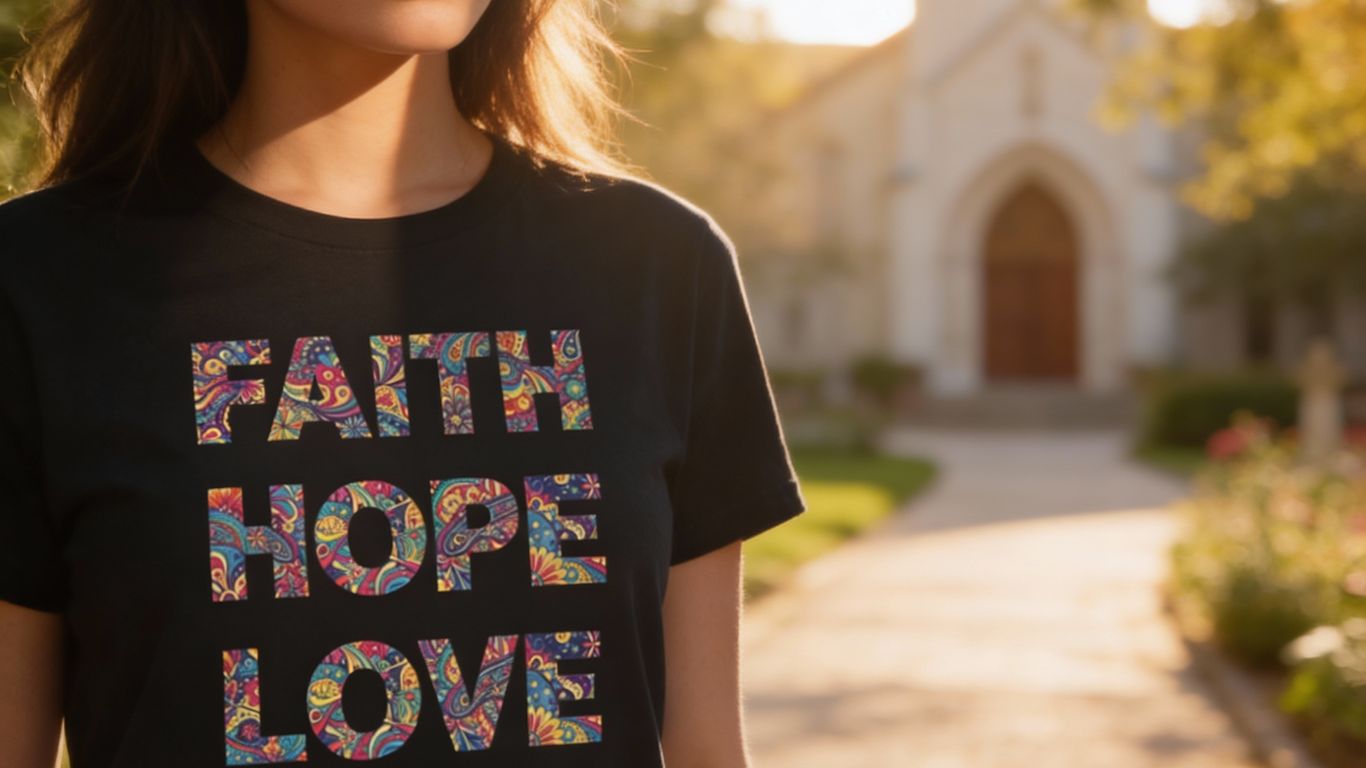
When picking out Christian apparel, the design is often the first thing that catches your eye. But beyond just looking good, a quality piece should have a design that feels intentional and carries a message. It’s about more than just slapping a Bible verse on a shirt; it’s about thoughtful expression.
Avoiding Generic Templates
It’s easy to find apparel with common Christian symbols or verses. While these can be nice, they often lack a personal touch. Look for brands that put effort into creating something original. This might mean a unique artistic style, a fresh take on a familiar scripture, or a design that sparks conversation in a new way. Generic designs can feel mass-produced and don't always reflect the depth of faith.
The Rise of Minimalist Typography
Lately, there's been a shift towards simpler designs, especially with text. Instead of big, busy graphics, many brands are using clean fonts and plenty of open space. You might see a small, well-placed verse on the chest or a subtle detail on a sleeve. This minimalist approach makes the apparel versatile, easy to wear with different outfits, and lets the message speak for itself without being overwhelming.
Exploring Heritage and Biblical Symbolism
Some of the most compelling designs draw from Christian history and biblical stories. This could be anything from a modern interpretation of the Ichthys (fish symbol) to using ancient symbols like the Alpha and Omega in subtle ways. These designs often have layers of meaning that can be a great conversation starter and a way to connect with others who understand the symbolism. It shows a deeper connection to the faith's rich background.
- Symbolic Imagery: Look for designs that incorporate symbols like the cross, dove, or olive branch, but perhaps in a new artistic style.
- Scriptural Depth: Instead of just a single verse, some designs might visually represent a story or a concept from the Bible.
- Historical References: Designs inspired by church history, early Christian art, or significant biblical locations can offer a unique perspective.
A truly meaningful design goes beyond the surface. It invites thought, connects with personal faith, and stands out from the crowd with its originality and purpose.
Wrapping It Up
So, we've gone over a few things to look for when you're picking out Christian apparel. It's not just about the cool design or a favorite Bible verse, though those are important. Think about the fabric weight, how the print feels and looks like it'll hold up, and if the company behind it seems to share your values. It takes a little extra effort, sure, but when you find that perfect piece that's well-made and truly represents your faith, it's totally worth it. You want your message to last and to be a good reflection of what you believe. Happy shopping, and may your wardrobe be a blessing!
Frequently Asked Questions
How can I tell if the print on Christian apparel will last a long time?
To check if a print will last, try washing a sample piece multiple times. See if it cracks, fades, or gets stiff. Also, feel the print; a good quality print shouldn't feel too thick or stiff. Brands that are honest about their printing methods and materials are usually a good sign.
Why is it important for Christian apparel to have accurate scripture and theology?
When apparel features Bible verses or religious messages, accuracy is key. A small mistake, like a wrong verse number or a changed word, can change the meaning or even create confusion. It's important that the people making the shirts understand and respect the message they are printing.
What kind of fabric is best for Christian t-shirts?
Look for fabrics that are soft and durable, like 100% ringspun cotton. Heavier weight fabrics (around 180 GSM for t-shirts) often feel more premium and last longer. These materials also help prints look sharp and clear.
How can I be sure a company selling Christian apparel is trustworthy?
Check if the company clearly shares its mission and values. Good companies are open about where their materials come from and how they are made. Some also show they care by donating to charities or supporting church events. Transparency is a big clue.
What's the difference between screen printing and other methods like DTF or DTG?
Screen printing is a traditional method that's known for being durable. Newer methods like DTF (Direct-to-Film) and DTG (Direct-to-Garment) can offer vibrant colors and fine details. High-quality versions of all these methods can produce long-lasting prints, but it's important to look at the specific quality of the print itself.
What are some popular design trends for Christian apparel?
Many designs are moving towards simpler styles, like clean text (minimalist typography) or subtle symbols. People are also looking for designs inspired by Bible stories and history, using imagery like the Ichthys fish or Alpha and Omega. Earthy colors are also trending.


