

Exploring the Deeper Meanings: What Does Faith Clothing Truly Represent?
You see it everywhere, right? People wearing shirts with crosses, scripture verses, or other religious symbols. It's more than just fashion; it's a statement. But what does faith clothing really mean? It's a way to show what you believe, to connect with others, and sometimes, just to feel a little closer to something bigger than yourself. Let's explore what faith clothing represents.
Key Takeaways
- Faith clothing is a way to express personal beliefs and values, acting as a visible representation of one's spiritual identity.
- Wearing faith-based apparel can spark conversations, open doors to spiritual dialogue, and serve as a subtle form of evangelism.
- Shared symbols in faith clothing help build connections, foster a sense of belonging, and create opportunities for encouragement within communities.
- Modesty in faith attire goes beyond covering up; it involves behavior, self-perception, and dressing with dignity and respect for others.
- Faith clothing can be a personal testament to spiritual journeys, reflecting inner convictions and the choices made to live out one's beliefs.
Understanding Faith Clothing: More Than Just Fabric
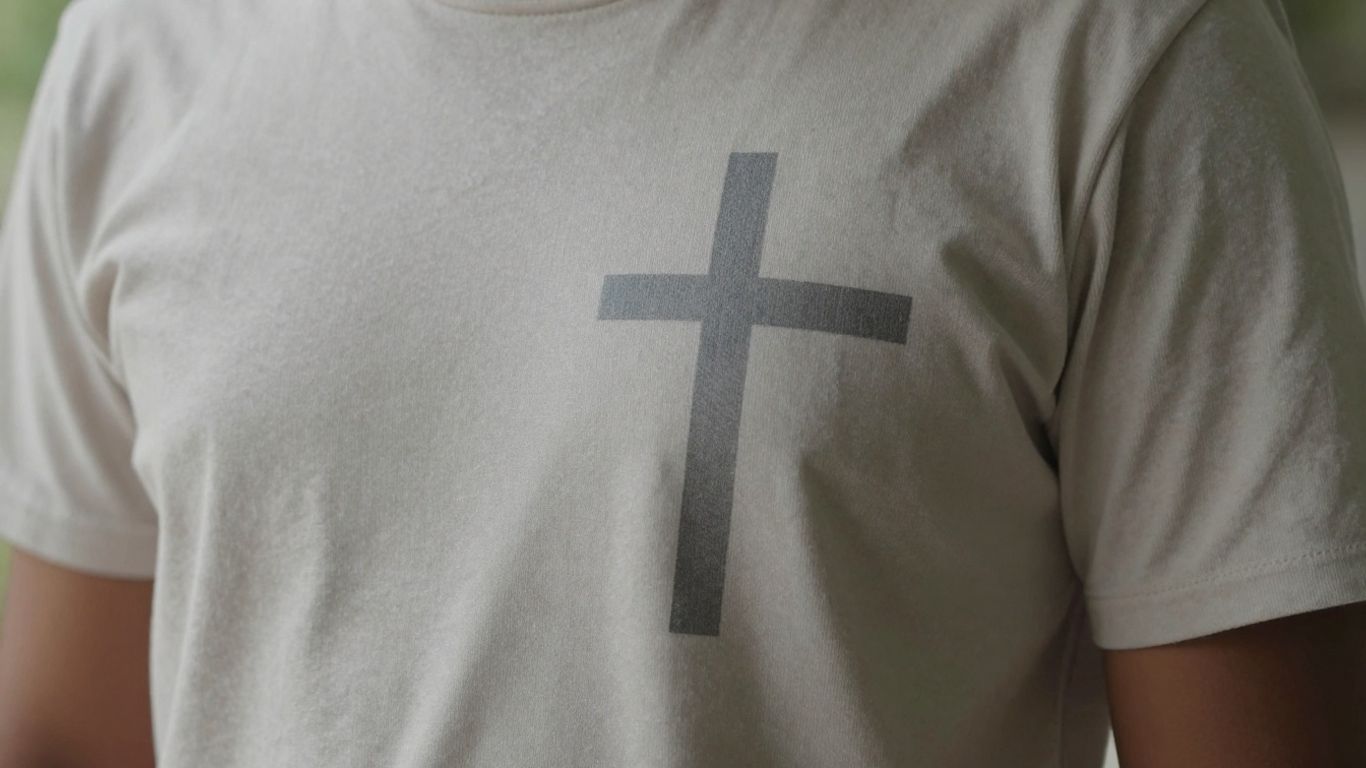
The Symbolism Woven Into Sacred Garments
When we talk about faith clothing, it’s easy to just see fabric and stitching. But for many, these garments are packed with meaning, far beyond what meets the eye. Think about it – these aren't just clothes we pick out of a closet; they often carry historical weight, represent specific covenants, or symbolize a commitment to a particular way of life. The colors, the cuts, even the way they're worn can all be part of a larger, sacred language. It’s like a visual prayer, a constant reminder of something bigger than ourselves.
Faith as an Identity: How Clothing Reflects Beliefs
What we wear can say a lot about who we are, and faith is no exception. For many, faith clothing isn't just about adhering to rules; it's about expressing a core part of their identity. It’s a way to outwardly show an inward conviction. This can be anything from a simple pendant with a religious symbol to more specific attire worn for religious services or daily life. It’s a personal statement, a way of saying, "This is who I am, and this is what I believe." It’s about aligning your outward appearance with your inner spiritual self, making your faith a visible part of your everyday existence. This outward expression can be a source of personal strength and a connection to personal values.
Navigating Changes: Preserving Purpose Amidst Evolving Forms
Faith traditions, like life itself, aren't always static. Sometimes, the way we express our faith through clothing evolves. This can be due to cultural shifts, new interpretations, or simply a desire to make things more accessible. It’s a delicate balance, though. How do we adapt to new styles or forms while still holding onto the original meaning and purpose? It requires thoughtful consideration, focusing on the spirit behind the garment rather than just its outward appearance. The goal is to ensure that as the forms change, the sacredness and the message remain intact, allowing the clothing to continue serving its intended spiritual role.
The true essence of faith clothing lies not in the threads themselves, but in the devotion and intention they represent. Adapting to new forms while honoring the original purpose is key to maintaining its significance across generations.
The Deeper Meanings Behind Wearing Your Faith
So, why do people choose to wear clothes that openly show their faith? It’s way more than just picking out an outfit in the morning. For a lot of folks, it’s about expressing who they are deep down, their personal beliefs and convictions. Think about it – a simple t-shirt with a meaningful quote or symbol can be a quiet way to say, "This is what I stand for." It’s like carrying a piece of your spiritual journey with you, a constant reminder of where you've been and what you believe.
Expressing Personal Convictions Through Apparel
Wearing your faith isn't just about looking the part; it's about living it out loud, in a way. It’s a way to show the world, and maybe even yourself, what’s important to you. These aren't just random designs; they often carry messages that speak to core values like love, forgiveness, or hope. It’s a personal statement, a way to connect with others who might share those same values, or even to spark a conversation with someone who doesn't.
Clothing as a Testament to Spiritual Journeys
Sometimes, the clothes we wear tell a story. A particular verse, a symbol, or even a specific style can bring back memories of significant moments in our spiritual lives. It’s like a wearable journal, marking milestones and experiences that have shaped our beliefs. This connection makes the clothing more than just fabric; it becomes a testament to the path we've walked and the person we're becoming. It’s a way to own your story and share it, even without saying a word. For some, seeing a symbol like the cross can be a powerful reminder of their commitment.
The Power of Visible Faith in Everyday Life
Having your faith on display can be surprisingly impactful. It can make others curious, opening up chances for dialogue that might not happen otherwise. It’s a subtle but effective way to share what you believe, not by preaching, but by simply being. This visible aspect can be a quiet invitation, a way to let people know you're open to talking about what matters most.
Wearing your faith openly can be a bridge. It connects you to others who share similar beliefs and can also be a gentle way to introduce your convictions to those who are searching or curious. It’s about sharing a message of hope and belief in a way that feels natural and personal.
Here are a few ways this outward expression can play out:
- Sparking Conversations: A unique design or scripture can catch someone's eye, leading to questions and discussions about faith.
- Building Connections: Spotting someone with similar faith-based apparel can create an instant bond and a sense of community.
- Personal Affirmation: For the wearer, it serves as a constant reminder of their beliefs and values throughout the day.
Faith Clothing as a Tool for Connection and Community
Sometimes, wearing something that shows what you believe in can feel like a quiet statement. But it's more than just a personal declaration; it's a way to find and connect with others who share similar paths. Think about it: you're walking down the street, maybe feeling a bit disconnected, and then you spot someone else wearing a shirt with a symbol or a phrase that means something to you. It's like a little spark, isn't it? Suddenly, you're not just two strangers; you're people who understand something important about each other.
Building Bonds Through Shared Symbols
These shared symbols on clothing act like a secret handshake for people of faith. They're visual cues that say, "Hey, I'm on a similar journey." It can be as simple as a specific cross design, a quote from a sacred text, or an emblem representing a particular spiritual tradition. Seeing these on someone else can break the ice.
- It can lead to a simple nod of recognition, a shared smile.
- It might spark a conversation about what that symbol means to both of you.
- It can create an immediate sense of familiarity, even with someone you've just met.
This isn't about being exclusive; it's about finding those natural points of connection in a big world. It makes the journey feel less solitary.
Fostering Belonging Among Like-Minded Individuals
When you see others expressing their faith through their attire, it reinforces the idea that you're part of something bigger. It's easy to feel like your beliefs are unique or even a bit out of step sometimes. But seeing that outward expression from others helps build a sense of belonging. It's a tangible reminder that there are many people who hold similar values and are walking a comparable spiritual road.
This sense of shared identity, visually represented, can be incredibly comforting. It validates personal convictions and encourages individuals to feel more secure in their beliefs and practices.
Creating Opportunities for Encouragement and Fellowship
These clothing choices aren't just for show; they actively create spaces for positive interaction. A conversation started by a faith-based t-shirt can easily turn into a deeper discussion about life, challenges, and spiritual growth. It opens the door for mutual encouragement. Maybe someone is going through a tough time, and seeing your shirt reminds them of a scripture that offers comfort, or perhaps they feel inspired to share their own story of faith. These interactions can blossom into genuine fellowship, strengthening the bonds within a community and providing support that goes beyond the superficial.
It's amazing how a simple piece of clothing can become a catalyst for meaningful connection, turning everyday encounters into opportunities for shared faith and mutual uplift.
Evangelism Through Expression: Sharing Your Beliefs
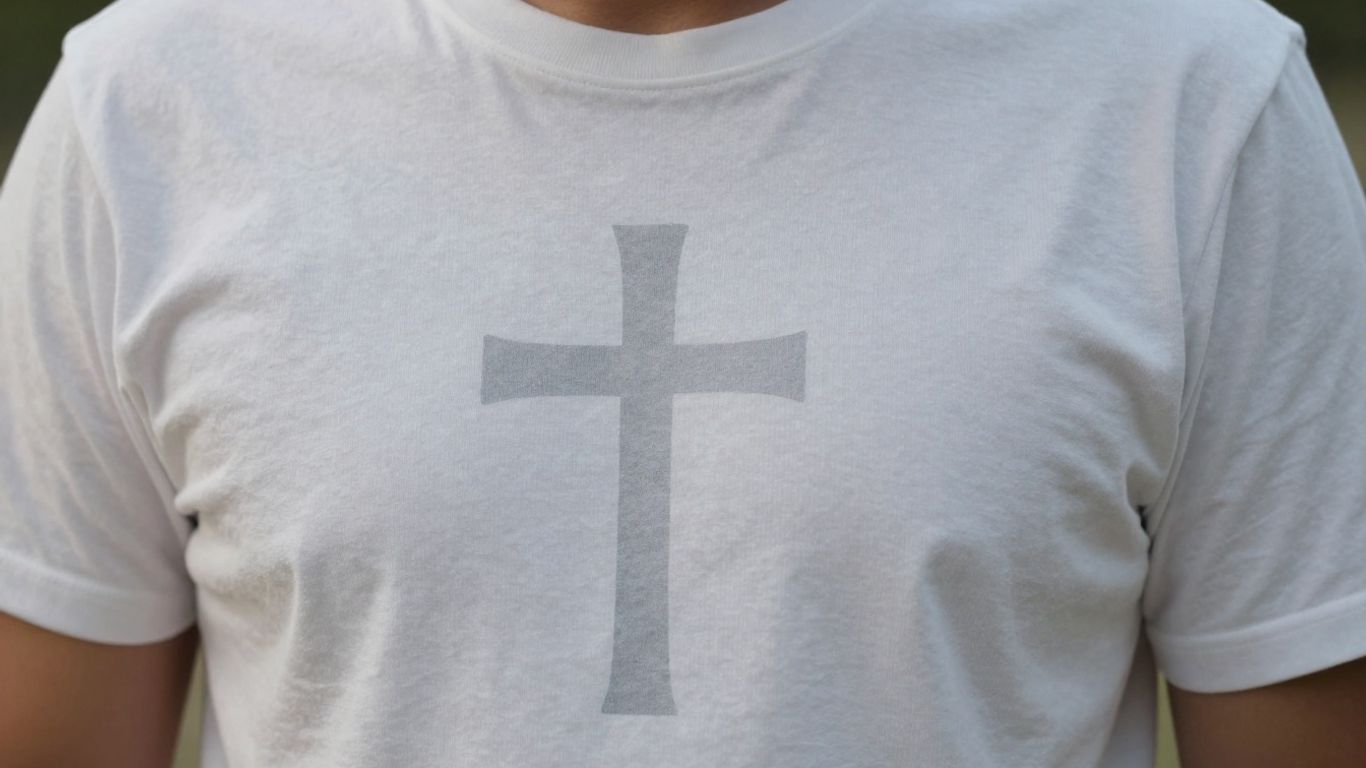
Inspiring Curiosity in Non-Believers
Sometimes, the simplest way to share what you believe in is by wearing it. Think about it – a t-shirt with a meaningful phrase or a subtle symbol can catch someone's eye. It's not about being loud or pushy; it's more like planting a seed. Someone might see your shirt and wonder, "What does that mean?" That little spark of curiosity is often the first step towards a conversation about faith. It's a way to open doors without even saying a word, letting your clothing do some of the talking.
Opening Doors to Spiritual Dialogue
Wearing your faith can really change how you interact with people. It gives you a natural way to talk about what matters to you. When someone asks about the message on your shirt, you have a chance to share your personal story and explain the significance behind it. This isn't about debating theology; it's about sharing your journey and what your beliefs mean to you. It creates a space for genuine connection and allows you to talk about spiritual matters in a relaxed, everyday setting. It’s a gentle way to introduce deeper topics and see where the conversation goes.
Subtle Yet Effective Ways to Spread the Message
There are so many ways to express your faith through what you wear, and it doesn't always have to be overt. It's about finding that balance between personal expression and making a statement. Consider these approaches:
- Symbolic Jewelry: A simple cross, a fish symbol, or other meaningful pendants can be conversation starters.
- Scriptural References: Small, tasteful embroidery of a favorite Bible verse on a cuff or collar.
- Artistic Depictions: Shirts featuring artwork that subtly conveys biblical stories or themes.
- Color Choices: Sometimes, colors themselves carry spiritual significance within certain traditions.
The goal isn't to force beliefs on anyone, but to live out your faith authentically. When your outward appearance aligns with your inner convictions, it can be a powerful, quiet witness. It invites people to see faith not just as a set of rules, but as a lived experience that brings joy and purpose.
This approach allows you to share your beliefs in a way that feels comfortable and genuine, potentially sparking interest in Christian clothing and the messages it carries.
Modesty: A Guiding Principle in Faith-Based Dress
When we talk about faith-based dress, modesty often comes up. It’s not just about covering up, though that’s part of it. It’s more about how we present ourselves, how we think about our bodies, and how we show respect for ourselves and others. It’s about making choices that reflect our inner values and our commitment to our beliefs.
Beyond Covering: Behavior and Self-Perception
Modesty goes way beyond just the amount of skin we show. It’s also about our attitude and how we carry ourselves. Think about it: wearing something that’s technically modest but acting in a way that’s attention-seeking or disrespectful doesn’t really align with the spirit of modesty, does it? It’s about a holistic approach to how we present ourselves to the world. Our behavior and how we perceive our own worth are deeply connected to what we wear. When we dress in a way that feels authentic and respectful, it can actually boost our own sense of dignity and self-worth. It’s like putting on a suit of confidence, but one that’s rooted in something deeper than just fabric.
Discerning Appropriate Attire for Different Settings
What’s appropriate for one situation might not be for another. Dressing for church is different from dressing for a casual get-together or a job interview. It’s about being mindful of the context and showing respect for the occasion and the people around you. This means thinking about the environment and what message our clothing sends. For example, wearing something too revealing or too casual to a formal event can be seen as disrespectful. It’s not about following a strict set of rules for every single scenario, but more about developing a good sense of judgment. We need to consider if our clothing is distracting or if it helps create the right atmosphere for the setting.
Dressing with Dignity and Respect for Others
Ultimately, dressing with modesty is about honoring God and respecting our neighbors. It’s a way of communicating that we value ourselves and others. Our clothing choices can either draw attention to ourselves in a way that’s not helpful, or they can reflect our inner peace and our desire to do good. It’s about making choices that don’t cause others to stumble or feel uncomfortable. The Bible talks about dressing with respect and self-control, not just focusing on outward appearances [be1e]. It’s a reminder that our outward presentation should align with our inner commitment to faith and love.
Making thoughtful clothing choices is a way to express our faith and show respect. It’s about finding that balance between personal expression and living according to our values, ensuring our appearance honors God and reflects positively on our beliefs.
The Nuances of Judgment and Faith Expression
Moving Beyond Surface-Level Appearances
It’s easy to look at someone and make assumptions, right? We see a cross necklace, a headscarf, or maybe even a specific style of clothing, and our minds start filling in the blanks. This happens all the time, in every group, and it’s a pretty natural human thing to do. We’re trying to figure out who’s like us, what’s safe, and how to fit in. But just because it’s natural doesn’t mean it’s always right. Sometimes, we’re looking at someone’s faith expression, and we’re quick to judge what we see on the outside.
The Role of Righteous Judgment in Discernment
So, what’s the difference between just being judgmental and what’s called righteous judgment? It really comes down to what’s going on inside. Being judgmental is about finding fault, casting blame, or making someone feel bad. Righteous judgment, though, is different. It’s more about discerning between what’s good and what’s not, not to condemn a person, but to understand a situation or behavior. It’s about seeing beyond the surface. Think of it like this:
- Observing signals: Noticing if someone seems to be struggling with a particular belief or practice.
- Using empathy: Trying to understand their perspective with kindness and compassion.
- Seeking truth: Discerning between right and wrong without personal attack.
It’s not about ignoring what’s happening, but about approaching it with love and a desire to understand, rather than to criticize.
True discernment isn't about pointing fingers; it's about understanding the heart and guiding towards what is good, inviting belief and positive change without condemnation.
Inviting Good and Persuading Belief in Christ
Ultimately, how do we know if our judgment is on the right track? Jesus gave us a pretty clear way to check: "By their fruits ye shall know them." Does our assessment invite good? Does it persuade someone to believe in Christ? If the answer is no, then maybe we need to rethink our approach. It’s not about having all the answers or being perfect ourselves. It’s about using our ability to observe and discern in a way that builds up, encourages, and points people toward something better, rather than tearing them down. It’s a subtle but important shift in how we view and interact with others expressing their faith.
Faith and Fashion: A Modern Interplay
The Rise of Faith-Inspired Apparel Trends
It’s pretty wild how faith and fashion are mixing these days, right? You see it everywhere, from subtle symbols on jewelry to full-on graphic tees with scripture. It feels like people are looking for ways to show what they believe without being too loud about it. This isn't just about wearing a cross anymore; it's about finding cool designs that speak to your personal journey. Think about those "Jesus shirts" that have become a whole thing – they’re not just clothes, they’re like little billboards for your beliefs. It’s a way to connect with others who get it, too.
Connecting Spirituality with Contemporary Style
So, how do you wear your faith without looking like you stepped out of a history book? It’s all about finding that sweet spot between what feels authentic to you and what’s actually in style. Designers are getting more creative, blending religious motifs with modern cuts and fabrics. It’s not about following every trend, but about picking pieces that feel right and express your values. It’s like, you want your clothes to say something good about you, something that reflects your inner self. This approach allows for a more personal expression of faith, making it feel less like a uniform and more like a part of your everyday look. It’s about dressing in a way that fills you with joy and suits your life, reflecting your inner values.
Social Media's Influence on Faith Expression Through Clothing
Social media has totally changed the game for how we share our faith through what we wear. Instagram, TikTok, you name it – people are posting outfits that show off their beliefs. Influencers are showing off their faith-inspired wardrobes, and suddenly, it’s not just a niche thing anymore. It’s become more mainstream, inspiring others to think about their own clothing choices. This digital space allows for a wider conversation about modesty, personal style, and how our clothes can be a positive statement. It’s a place where you can find inspiration and connect with a community that shares similar values.
- Sharing outfit ideas that incorporate faith symbols.
- Discussing the meaning behind specific apparel choices.
- Discovering new brands that align with spiritual values.
Dressing authentically means choosing clothes that not only look good but also feel good and align with who you are. It’s about expressing your personal style in a way that honors your beliefs and makes you feel confident and joyful.
Personal Identity and the Choices We Make
Clothing as an Extension of Self
Think about it: what you put on in the morning is often the first thing you present to the world. It’s more than just covering up; it’s a statement, a way of saying, 'This is me, today.' For those of us who hold our faith close, this extends beyond just personal preference. Our clothing can become a quiet declaration of our inner convictions, a visual cue that hints at the values we hold dear. It’s like wearing your heart on your sleeve, but instead of a heart, it’s your beliefs. This isn't about being loud or flashy; it's about authenticity. When our outward appearance aligns with our inner spirit, there's a certain peace that comes with it. It feels right, like everything is in its proper place. This connection between what we wear and who we are is a powerful thing, shaping how we see ourselves and how others might perceive us.
Reflecting Inner Values Through Outer Appearance
It’s interesting how much thought goes into choosing what to wear, especially when we want it to reflect our faith. It’s not just about picking something that looks good; it’s about selecting items that feel right, that align with our spiritual path. Sometimes, this means opting for simpler styles, other times it might involve specific symbols or colors that hold meaning for us. For instance, a simple t-shirt can carry a powerful message, serving as a medium for self-expression. It’s a way to communicate our convictions without saying a word. This conscious choice in dress can be a daily reminder of our commitments and a way to live out our values in the everyday. It’s about making deliberate choices that honor our beliefs.
The Joy Found in Dressing Authentically
There’s a real sense of freedom and joy that comes from dressing in a way that feels true to who you are, especially when your faith is a big part of that identity. It’s about finding that sweet spot where your personal style meets your spiritual convictions. This isn't about following strict rules for the sake of it, but about understanding yourself and choosing attire that makes you feel good, confident, and aligned with your values. It’s a personal journey, and what feels authentic for one person might be different for another. The goal is to find that balance where your clothing expresses your unique self, including your faith, in a way that brings you happiness and peace.
Here are a few things to consider when choosing faith-inspired attire:
- Comfort: Does it feel good to wear? If you're constantly fidgeting or feeling restricted, it's probably not the right choice.
- Meaning: Does it hold personal significance? Whether it's a symbol, a color, or a particular style, does it connect with your beliefs?
- Context: Does it fit the occasion? Dressing appropriately shows respect for the setting and the people you're with.
- Self-Expression: Does it allow you to feel like yourself? Authenticity is key to feeling confident and joyful in your choices.
When we dress in a way that aligns with our inner values, it creates a sense of wholeness. It’s a quiet confidence that comes from knowing our outward appearance is a true reflection of our inner selves, including our faith journey. This authenticity brings a unique kind of joy.
Navigating Cultural Shifts in Faith Attire
It’s pretty common for traditions and practices within any community, especially faith-based ones, to evolve over time. Think about it – what was standard practice fifty years ago might seem a bit quaint or even impractical today. This is definitely true when it comes to how we dress to express our faith. Things change, and how we adapt to those changes while still holding onto the core meaning is a big part of the journey.
Adapting to Evolving Standards While Honoring Covenants
Sometimes, changes happen that affect how we express our faith through clothing. Maybe it's new styles becoming available, or perhaps cultural norms shift, influencing what's considered appropriate. For many, the garment has been a deeply personal symbol, tied to covenants and identity. When the outward form of these sacred items shifts, it can feel unsettling. It’s like a familiar landmark changing its appearance. The key here is remembering that the purpose and the sacredness behind the garment don't change, even if the fabric or cut does. It’s about trusting that the guidance we receive is meant to help us live our faith more fully, not detract from it. This can be a chance to really think about why we wear what we wear and what those covenants mean to us personally. It’s about staying true to our commitments even as the world around us, and sometimes our practices, adapt. We can find Christian apparel that helps us feel confident in our beliefs, even as styles change.
The Impact of External Pressures vs. Internal Guidance
It’s easy to get caught up in what everyone else is doing or saying, especially with social media buzzing. We see new trends, hear different opinions, and sometimes feel pressure to conform to external expectations. But when it comes to faith attire, the most important compass is internal guidance. This means listening to our conscience, seeking spiritual direction, and staying connected to the principles that matter most. Are the changes we're seeing driven by a genuine need to adapt and better serve people, or are they just following the latest fads? It’s a delicate balance. We need to discern what’s a helpful adjustment and what might be a distraction from the core message of our faith. It’s about making choices that align with our deepest convictions, not just what’s popular.
Seeking Clarity and Consistency in Changing Times
When things feel uncertain, clarity is gold. It’s natural to want to understand the 'why' behind any changes in faith attire. This is where open conversations and a willingness to learn come in. Instead of just reacting, we can ask questions and seek to understand the broader context. It helps to remember that consistency in our faith doesn't always mean sticking to the exact same outward forms forever. True consistency lies in the unchanging principles of love, compassion, and devotion. It’s about how we live our lives and treat others, day in and day out.
When we face shifts in how faith is expressed outwardly, it's a good moment to pause and reflect. Are we focusing on the outward appearance, or are we holding onto the inner spirit and purpose? True adherence often means looking beyond the surface to the enduring values that guide us.
Here are a few things to consider:
- Reflect on the core principles: What are the unchanging truths behind the attire? Focus on those.
- Seek understanding: Ask questions and listen to different perspectives with an open heart.
- Trust the process: Recognize that guidance often comes through revelation and adaptation over time.
- Emphasize behavior: Remember that how we act and treat others is a powerful expression of faith, regardless of clothing.
The Deeper Significance of Specific Religious Garments
Exploring the Historical and Symbolic Weight
When we talk about religious garments, we're often looking at items that carry a lot of history and meaning. Think about the seamless garment worn by Jesus, as mentioned in the Bible. It's not just a piece of cloth; it's seen as a symbol of unity and the divine priesthood. This kind of symbolism goes way beyond just covering up. It connects the wearer to ancient traditions and spiritual ideas. These aren't just clothes; they're statements about belief and belonging, often tied to specific religious ceremonies or roles. For instance, in Hinduism, specific attire is worn for religious rites, signifying purity and a connection to the divine, sometimes even reflecting social structures [d561].
Understanding the Themes of Unity and Priesthood
Many religious garments are designed with specific themes in mind, and unity is a big one. The idea is that by wearing the same or similar clothing, people feel more connected to each other and to their shared faith. This visual unity can be a powerful reminder that everyone is part of the same spiritual family. Priesthood is another common theme. Certain garments are associated with religious leaders or specific roles within a faith community, signifying their authority and their connection to the sacred. It's like a uniform, but with a much deeper spiritual purpose. These items help define roles and reinforce the structure of religious practice.
Garments as Profound Spiritual Statements
Ultimately, these specific religious garments are more than just fabric and thread. They are tangible expressions of deeply held beliefs. They can represent a personal commitment, a connection to a community, or a reminder of spiritual truths. Wearing them can be a way to outwardly show an inner conviction, a quiet declaration of faith in the everyday world. They serve as constant reminders of spiritual journeys and the values that guide a person's life. For many, these garments become an extension of their identity, a way to live their faith visibly.
The meaning behind religious clothing often goes far beyond the material. It's about the stories, the history, and the spiritual connections they represent for the people who wear them. These items can be powerful symbols that unite communities and remind individuals of their core beliefs.
Here are some common themes found in religious attire:
- Purity: Many garments are meant to be clean and pure, reflecting a spiritual state.
- Obedience: Wearing specific clothing can be an act of following religious rules or traditions.
- Identity: Garments often signify belonging to a particular religious group or community.
- Sacrifice: Some attire is linked to acts of devotion or remembrance of sacrifices made.
Wrapping It Up
So, what have we learned about faith clothing? It's way more than just what you put on your back. Whether it's a Jesus shirt sparking a chat or a garment that feels like a personal promise, these clothes tell a story. They can be about showing who you are, connecting with others who get it, or even just a quiet reminder to yourself about what you believe. It’s pretty cool how something as simple as fabric can carry so much meaning, right? It really shows that how we present ourselves, even down to our clothes, can be a big part of living out our faith in the everyday.
Frequently Asked Questions
What is the main idea behind faith clothing?
Faith clothing is about more than just the clothes themselves. It's about showing what you believe in and how your faith is a part of who you are. It can be a way to express your personal beliefs and connect with others who share them.
How can clothing show someone's faith?
Just like wearing a team jersey shows you support a sports team, wearing certain clothes can show you're part of a faith community. It can include symbols, colors, or styles that have special meaning to your religion.
Can wearing faith clothing help you connect with others?
Yes! When people see you wearing clothing that shows your faith, it can be a way to start conversations. It helps build friendships and a sense of belonging with others who have similar beliefs.
Is wearing faith clothing a way to share your beliefs with others?
Absolutely. It can be a quiet way to let people know what you believe. Sometimes, seeing someone's faith clothing can make others curious and lead to them asking questions about your beliefs.
What does modesty mean when it comes to faith clothing?
Modesty in faith clothing isn't just about covering up. It's also about how you act and how you see yourself. It means dressing in a way that shows respect for yourself and others, and fits the situation you're in.
Should we judge people based on their faith clothing?
No, it's not good to judge others by how they dress. Instead, we should focus on the good they do and whether their actions bring people closer to their faith. It's more about the heart and actions than just the outside appearance.
How do modern fashion trends mix with faith clothing?
Today, many people are creating clothing that looks stylish but also shows their faith. This allows people to express their beliefs in a modern way that fits with current fashion trends, often seen on social media.
Can faith clothing be a part of my personal identity?
Definitely. For many, the clothes they wear are an important part of showing who they are. Wearing faith clothing can be a way to show your inner values and feel good about expressing your true self.


